
Softball's Evolution as an Organised Sport
How the game is growing and adapting in 2025

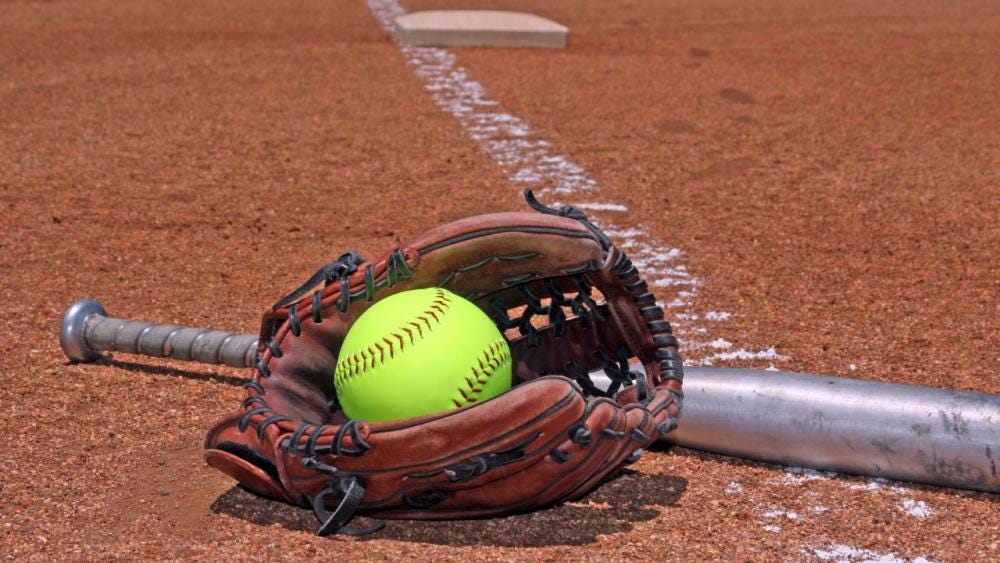
Softball is a widely appreciated sport played at various levels, gaining significant popularity in college, particularly among women. While the sport's origins were tied to men, women's involvement grew significantly during the 1930s and 1940s, and softball as a recognised women's sport developed further in the 1960s. This sport offers a competitive environment and fosters teamwork, making it a preferred choice for many female athletes.
Softball began in 1887 in Chicago when George Hancock, a reporter for the Chicago Board of Trade, invented "indoor baseball". The game, initially called "mushball," "kittenball," or "indoor baseball," quickly spread outdoors by spring 1888. By the 1920s, it became known as softball. The sport was organised in the US in 1933 with the formation of the Amateur Softball Association of America (ASA).
In recent years, softball has been a sport that has garnered significant attention, to the point that we’ve seen record-breaking attendance at matches. For example, the Oklahoma vs. Oklahoma State game set a single-game attendance record of 9,259.

Now, that is an incredible thing to mention, simply because since 1960s, this sport has been dominated by women, which helps spotlight women more often than not. Thus, we can see the growing interest in women's sports, and it shows that we can, in fact, fund more women's leagues out there.
Luckily we have good news to tell softball athletes and fans out there–On April 7, 2025, U.S. District Judge Claudia Wilken held a final hearing on a $2.8 billion class-action settlement involving the NCAA and major conferences. The proposed agreement, pending court approval, would allow schools to compensate athletes directly for their NIL rights, with up to $20.5 million distributed annually per school starting July 1, 2025. This decision arises from years of litigation regarding the NCAA's restrictions on athlete compensation, marking a historic change in how universities can financially support student-athletes.
These developments mark a significant triumph for athletes who have tirelessly fought for greater control over their name, image, and likeness. It's a heartfelt reminder for institutions that they need to evolve and recognize the importance of supporting the voices and rights of these dedicated individuals.
I truly believe this could lead to the establishment of a well-funded professional league, allowing softball players to pursue their passion and continue playing in a professional setting, "Engaging with supportive fans”